The true story of the outcast who forged a nation; one that humbled the British Empire.
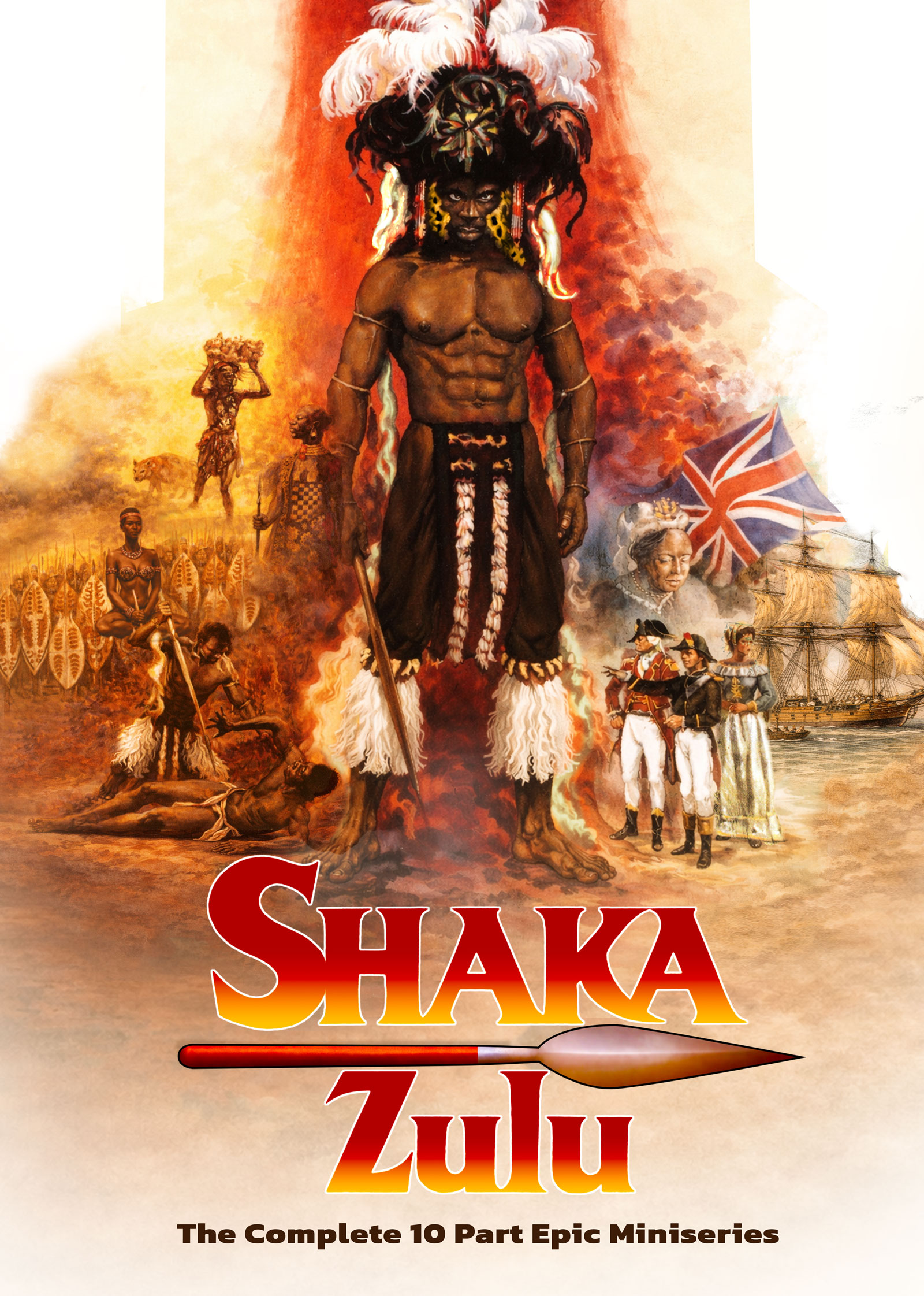
Few television events have had the staying power of Shaka Zulu.
Decades after its original release, the miniseries continues to generate recognition, discussion, rediscovery, and audience curiosity — the key ingredients that make legacy programming valuable in today’s catalog-driven streaming environment.
For platforms looking for distinctive, recognizable, event-style programming, Shaka Zulu offers something rare: scale, historical subject matter, international appeal, a TRUE story centered on African power, leadership, and identity, and a title that many viewers still remember by name.
This is far from generic library content. Beyond its vintage appeal and nostalgic value from its original ’80s run, it’s large-scale entertainment experience that would be near impossible to recreate today.
…and it was produced in the analog era. no CG, no AI.
10 x 55 Over nine hours of sweeping historical epic:
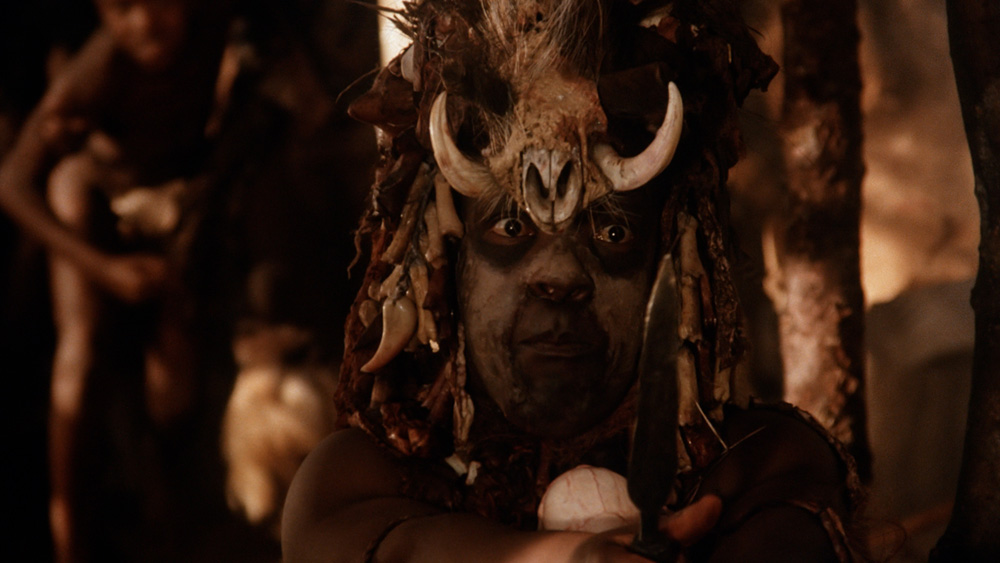
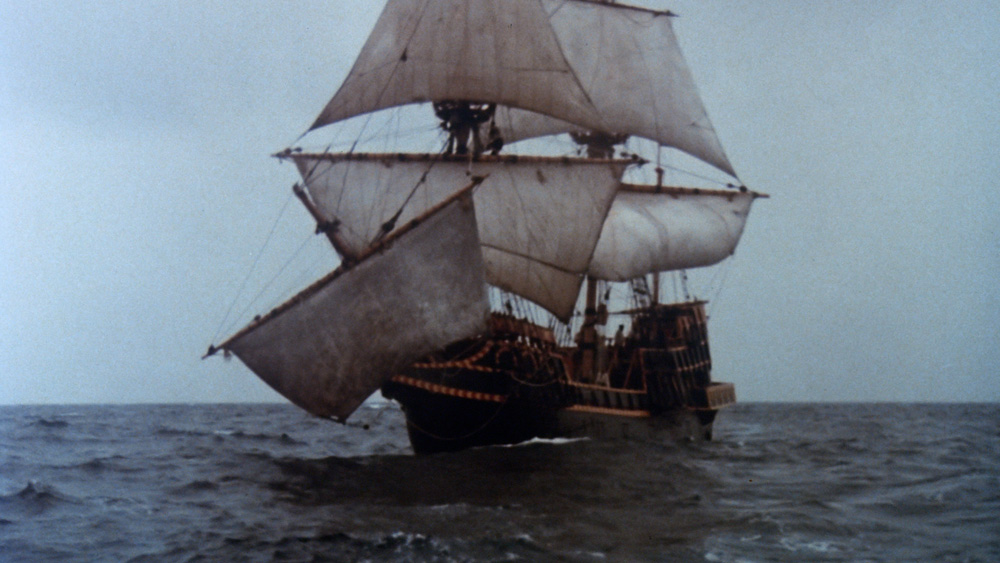
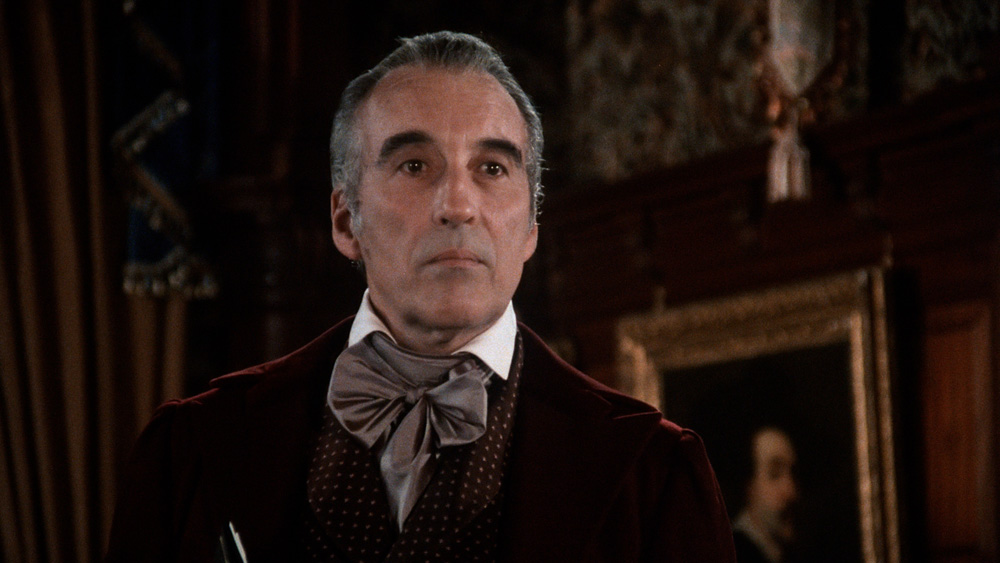
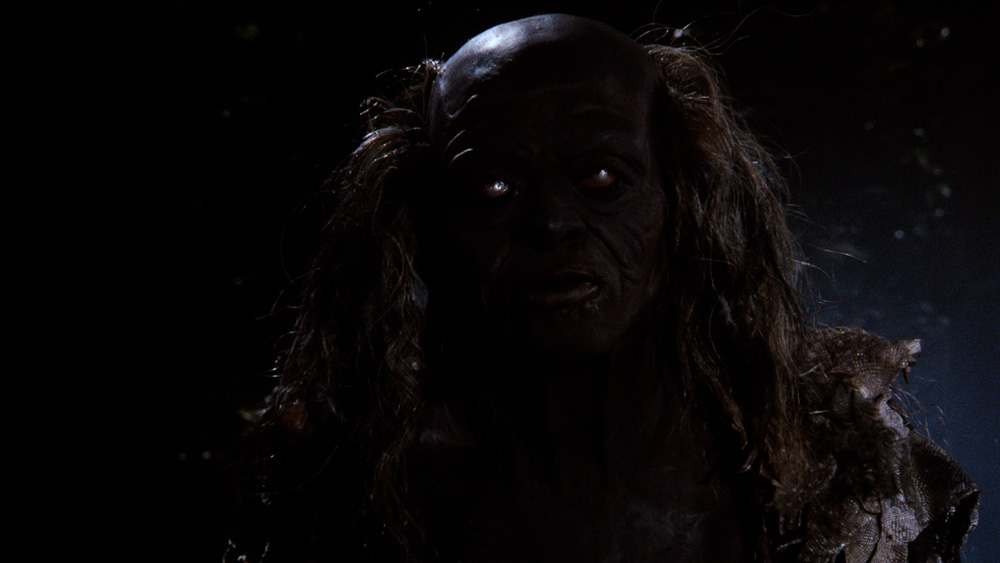
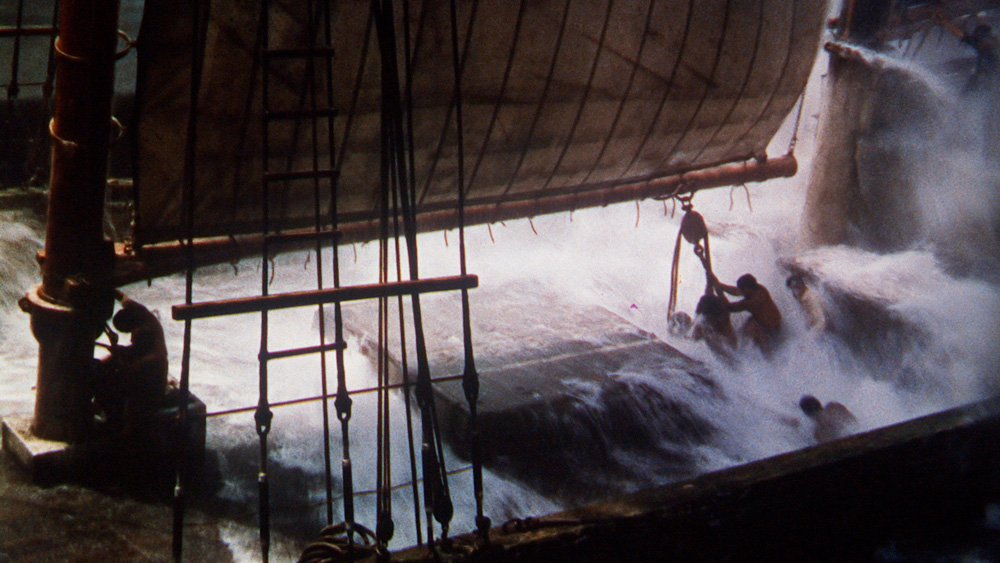
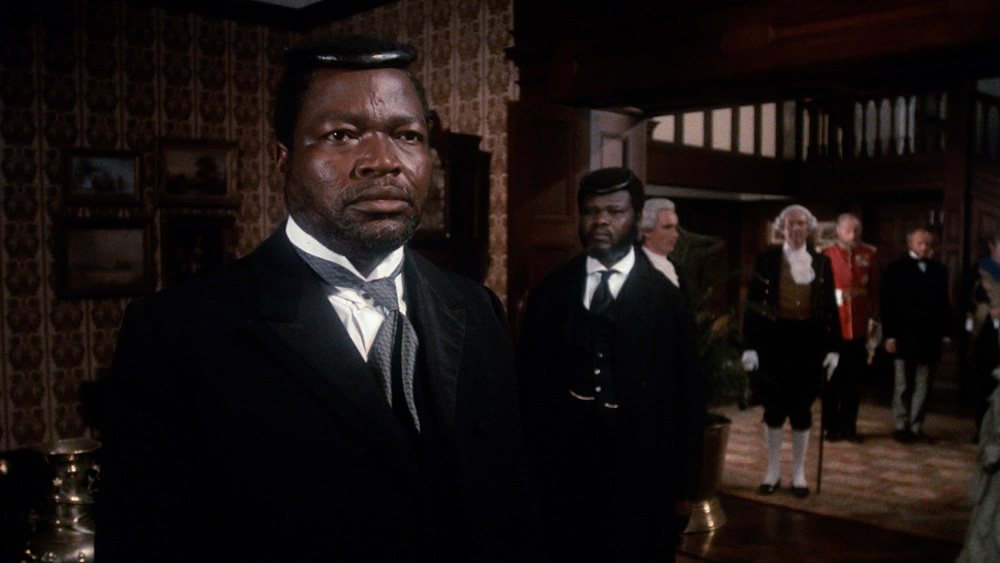
betrayal, colonial resistance, political intrigue, royal courts, tribal rituals, shipwrecks, British monarchs, frontier diplomacy, military expeditions, ceremonial spectacle, shifting alliances, ethnographic-style depictions of pre-colonial African life, and the rise of one of Africa’s most legendary figures.
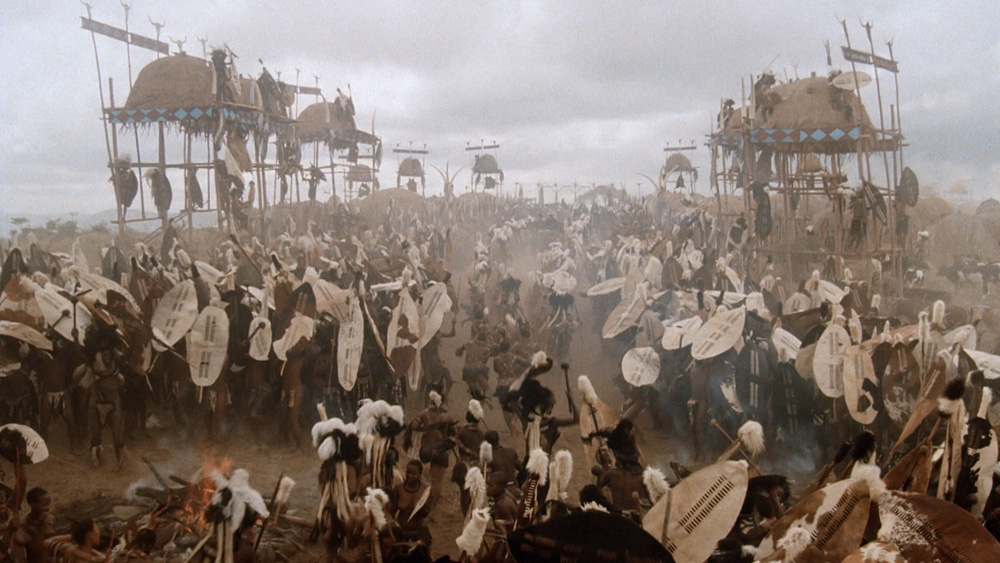
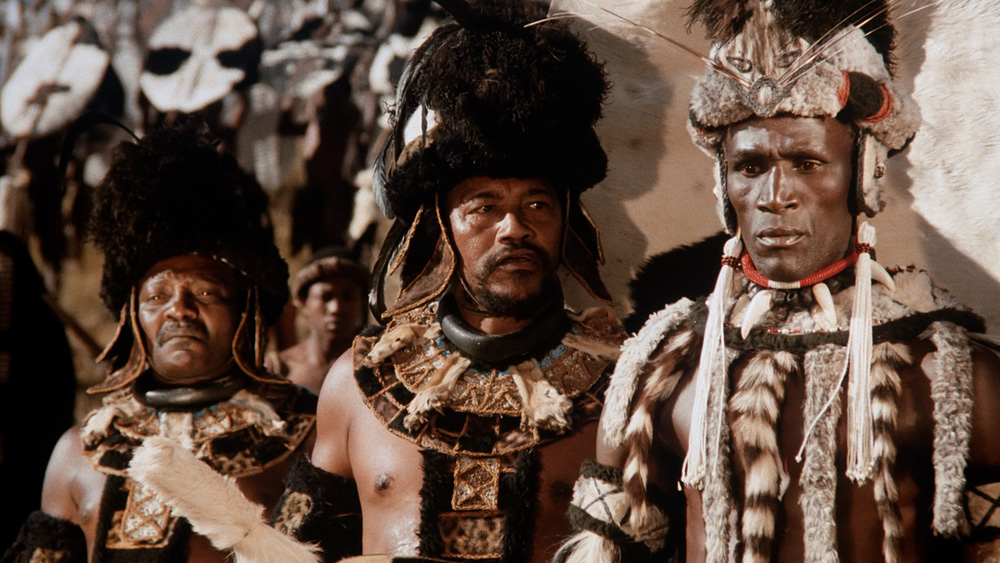
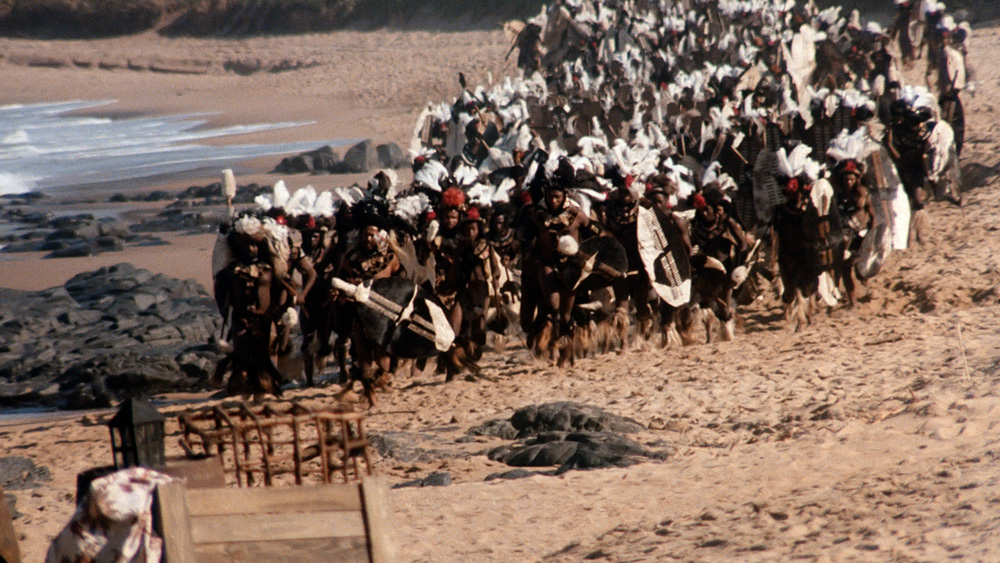
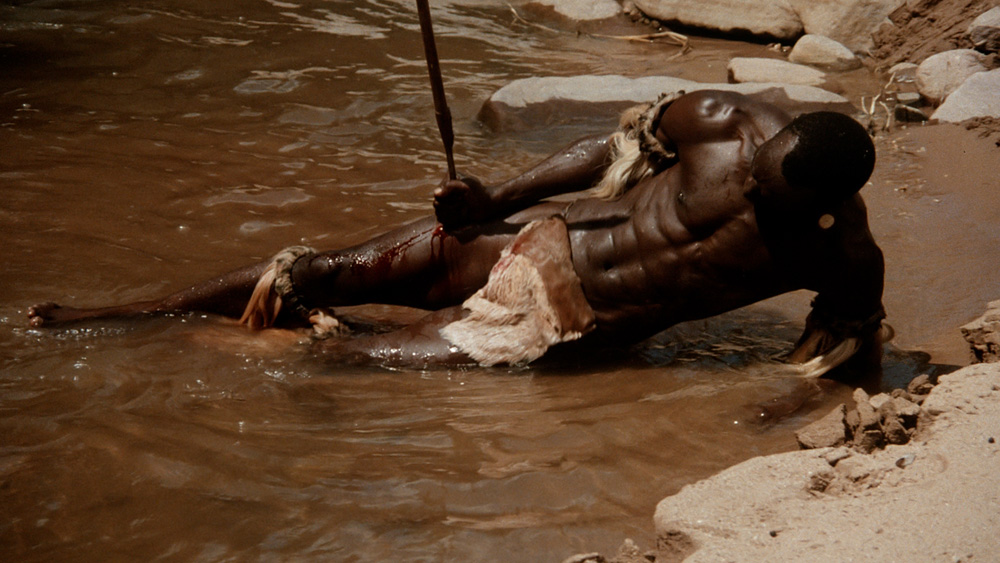
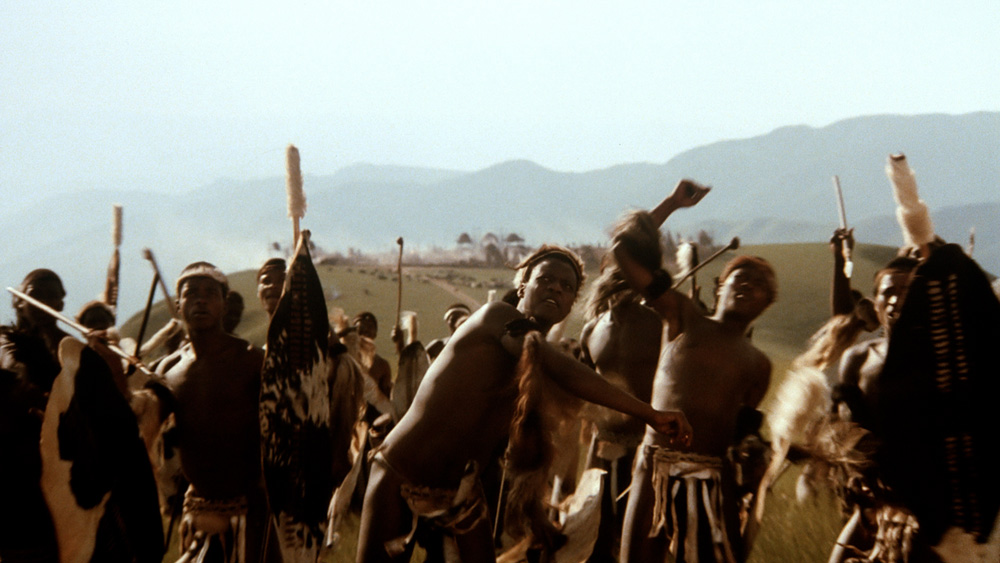
…and then there are the battles.

_____________________
Not Rated
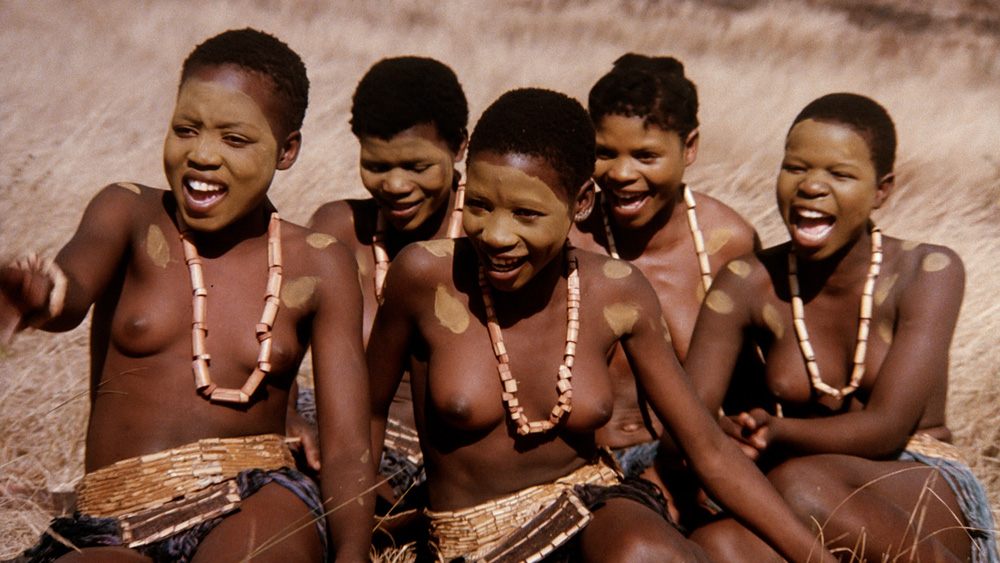
Contains battle violence and non-sexual cultural nudity.
A natural fit into platform hubs, collections, and guides:
Limited Series | Historical Drama | Black Stories
Black History Month | History | Politics & History | Period Dramas Military & War | Classics | Black Leads
Rediscovered Event Television
Set in the early 19th century, as European colonial forces expand into Africa, this landmark series tells the astonishing true story of the warrior-king who transformed tribal society—and warfare itself.
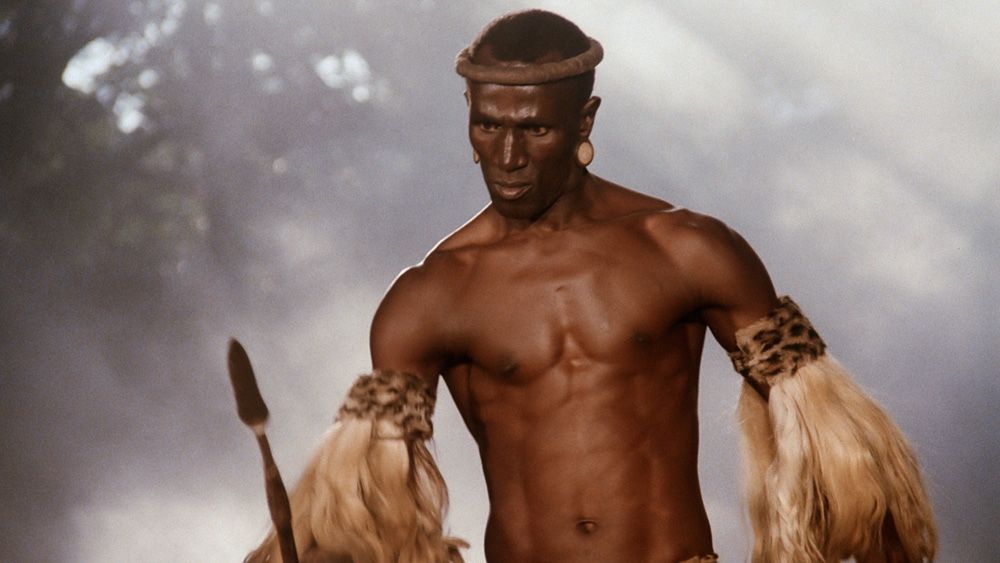
Born into disgrace and marked by prophecy, Shaka begins life as an outsider, mocked and rejected by his own people. But beneath that rejection lies a fierce intelligence, an uncompromising sense of purpose, and a revolutionary vision for what his people could become. Rejecting the ceremonial skirmishes of the past, he introduces radical new methods of combat: the short stabbing spear known as the iklwa, tightly disciplined regiments, and the devastating “horns of the buffalo” formation—tactics that replace ritual with ruthless efficiency.
Through these innovations, Shaka does more than win battles—he transforms scattered tribes into something unprecedented: a unified, proto-nation-state built on loyalty, discipline, and strategic dominance. His army becomes a living instrument of his will, feared by rivals and revered by followers.
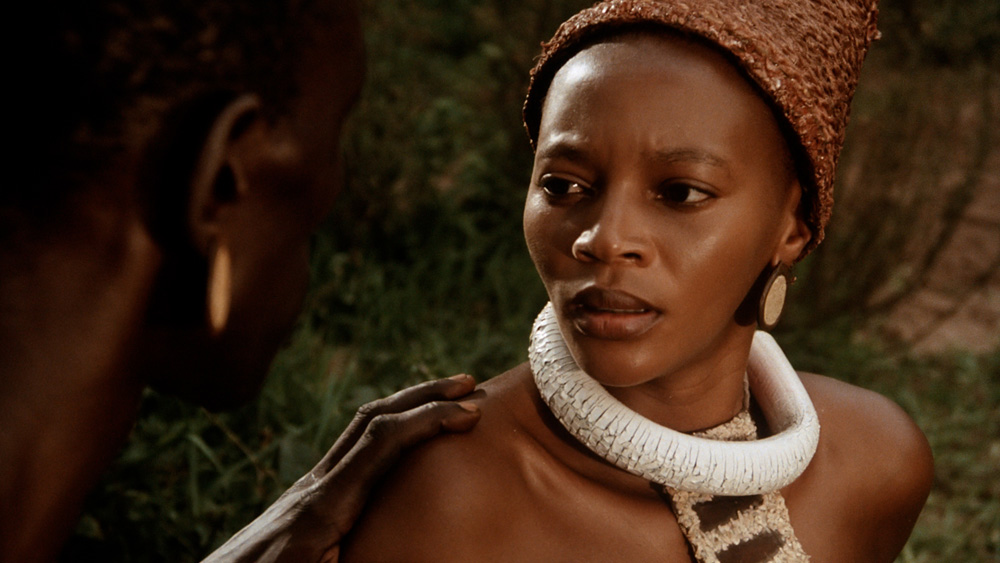
Against breathtaking landscapes and massive battle sequences, the series unfolds as both an intimate character study and a sweeping geopolitical drama. Tribal rivalries, forbidden love, shifting alliances, and devastating betrayals shape Shaka’s ascent, while European traders, settlers, and imperial ambitions introduce a second front in the struggle for control of the continent.
What makes “Shaka Zulu” endure is not only its spectacle, but its emotional depth. It is a story about the cost of greatness, the loneliness of command, and the thin line between visionary leadership and tyranny. Shaka’s victories come at a price—not only in blood, but in trust, love, and ultimately, his own humanity.
Lavishly produced with an unprecedented budget for its time, the series became one of the highest-rated syndicated miniseries ever, praised for its scale, performances, and historical sweep. More than a period drama, “Shaka Zulu” is a timeless meditation on how legends are forged—and what they destroy along the way.
The fact that Shaka Zulu was produced in 1980s South Africa may invite discussion, but it should not be used as a shortcut for dismissing the work.
The series is not a casual exploitation title or generic colonial adventure. It is a serious historical epic, built around one of Africa’s most important figures, with substantial attention to Zulu culture, ceremony, military organization, kingship, and the collision between African sovereignty and European expansion.
Shaka Zulu also contains mature historical content, including violence, warfare, ritual imagery, and culturally contextualized (NatGeo type) nudity
These elements are part of the series’ attempt to depict pre-colonial African life, tribal ceremony, military conflict, and the brutal realities of power, conquest, and colonial encounter.
They are not presented as gratuitous modern sensationalism, but as part of a serious historical epic made for adult audiences and viewers of large-scale period drama.
____________
Viewed in the appropriate light, the title’s context is part of the conversation — not the whole conversation. Its scale, research, African-centered subject matter, and enduring audience response make it a meaningful historical drama with continued programming —and entertainment— value.
In a market crowded with disposable catalog and costly new productions that often struggle to break through, Shaka Zulu stands apart: a proven title, a nine-hour epic, a restored presentation, and a natural fit across multiple highly relevant programming lanes.
The opportunity now is to reintroduce it to modern audiences with the platform support and presentation it deserves.
It is not “problematic” or “Eurocentric,” nor is it “woke.”
It is history — unsanitized and powerful, informative and entertaining.

All content © Xenon Pictures, Inc.